Air pollution in Africa is reaching catastrophic levels, with consequences that extend far beyond individual health
Deaths annually in Africa from air pollution
Of Africans breathe air exceeding WHO guidelines
Of Africans breathe air exceeding WHO guidelinesAnnual economic cost of air pollution in Africa
Of monitoring stations missing across the continent
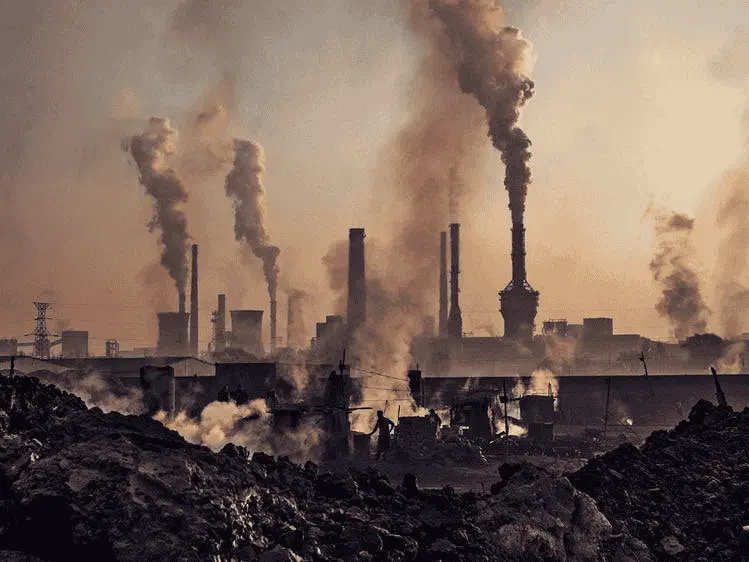
Rapid industrialization without adequate environmental controls is increasing pollution across major African cities.
Africa's urban population is projected to triple by 2050, concentrating pollution sources and vulnerable populations.
3 billion people worldwide cook with polluting fuels, with the highest concentrations in sub Saharan Africa.
Air pollution affects every organ in the body, causing immediate and long term health consequences
Asthma, bronchitis, lung infections, and reduced lung function development in children.
Heart attacks, strokes, high blood pressure, and irregular heart rhythms.
Cognitive decline, dementia, developmental delays, and mental health impacts.
Lung cancer, other cancers, and significantly reduced life expectancy.
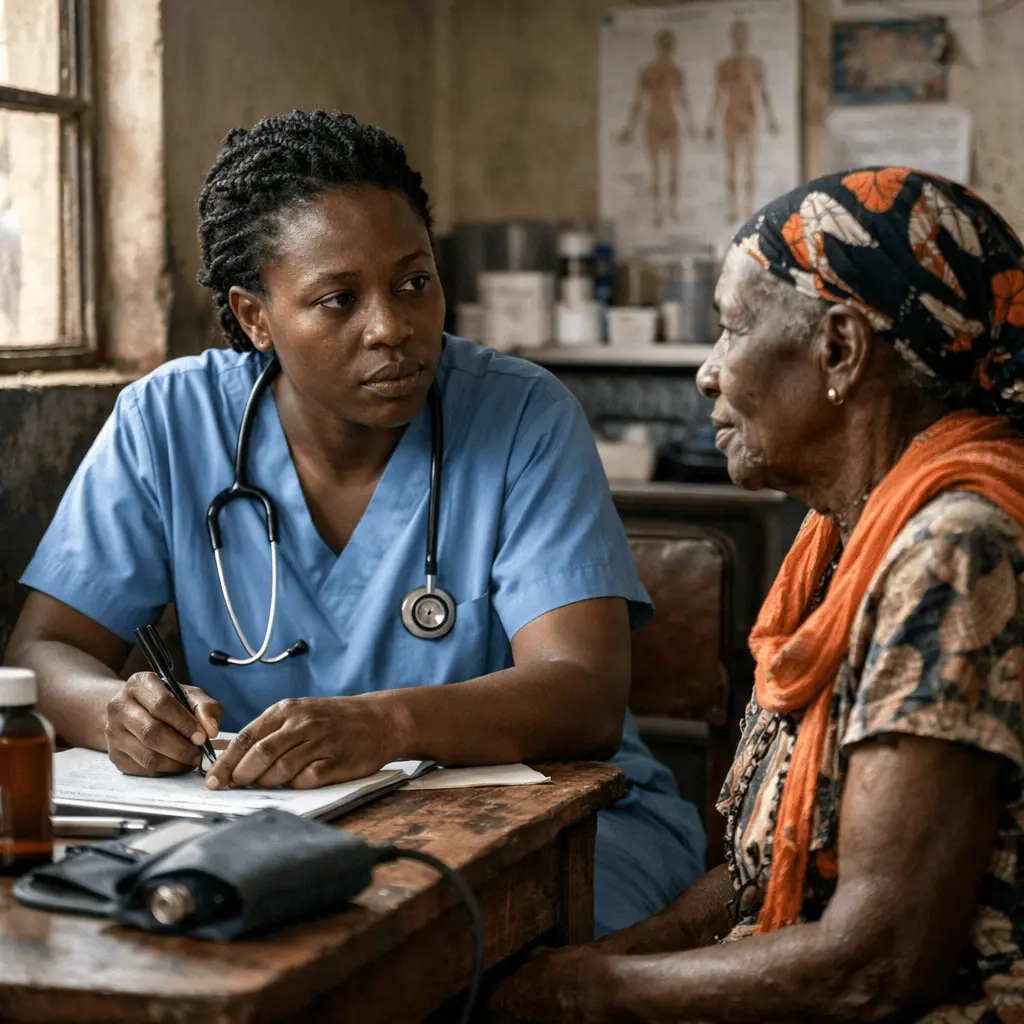
Children and pregnant women face the greatest risks from air pollution, with lifelong consequences
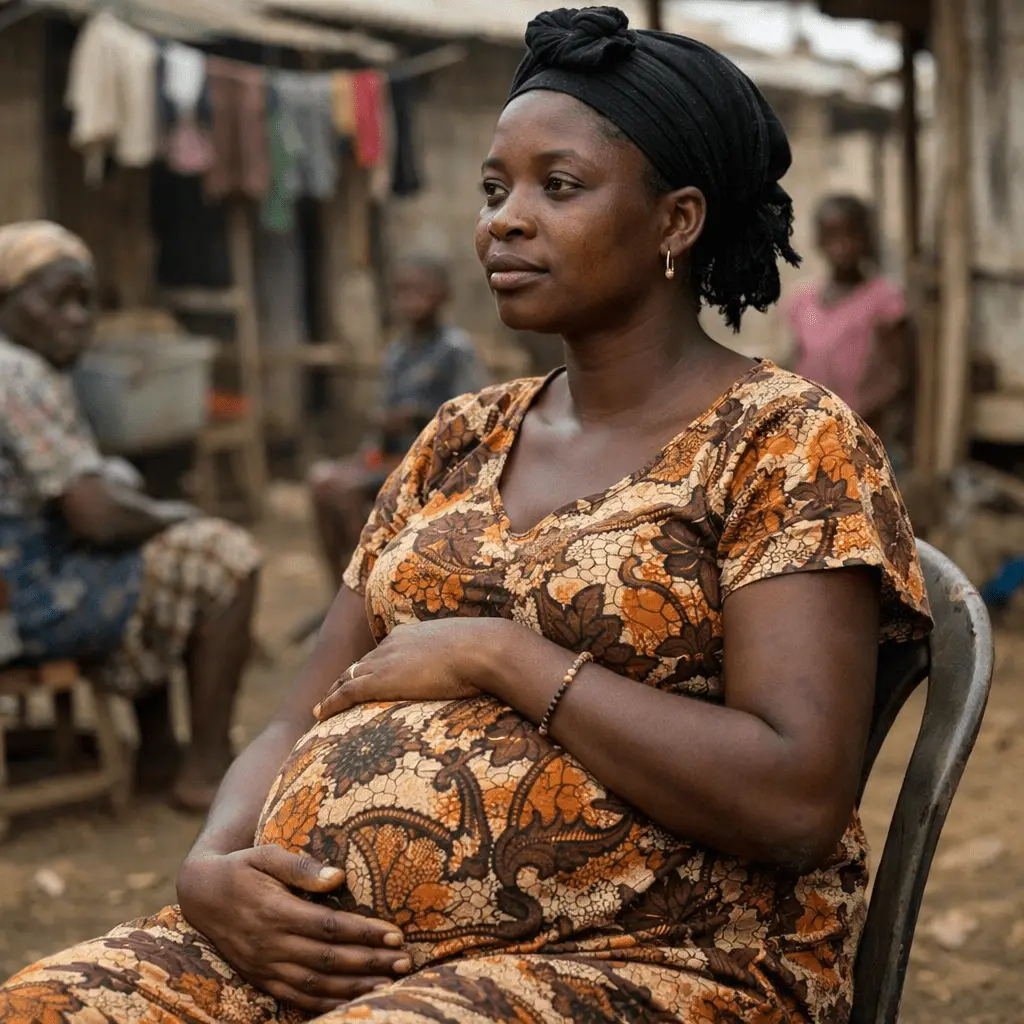
Pregnancy Risks
Child Development
Air pollution deepens inequality and undermines community well being
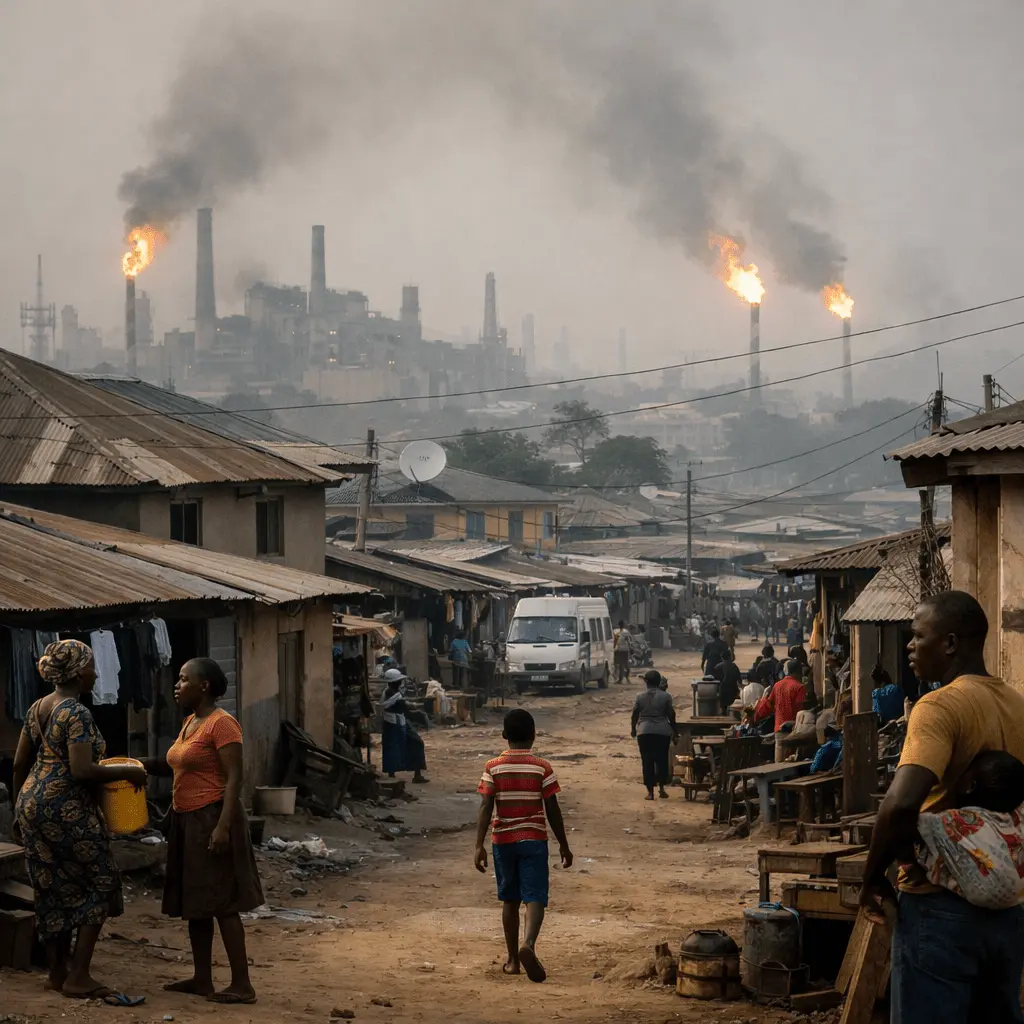
Poor and marginalized communities face disproportionate pollution exposure from industrial sites, waste facilities, and traffic corridors.
Children miss school due to pollution-related illness. Cognitive impacts affect learning and future opportunities.
Pollution reduces outdoor activities, social gatherings, and community cohesion. Mental health suffers from constant health anxiety.
Air pollution reduces crop yields and food security, particularly affecting rural communities dependent on agriculture.
Vulnerable populations stay indoors during high pollution days, reducing social connections and community participation.
Without access to air quality data, communities cannot advocate for their rights or hold polluters accountable.
Air pollution imposes massive economic costs on individuals, communities, and nations
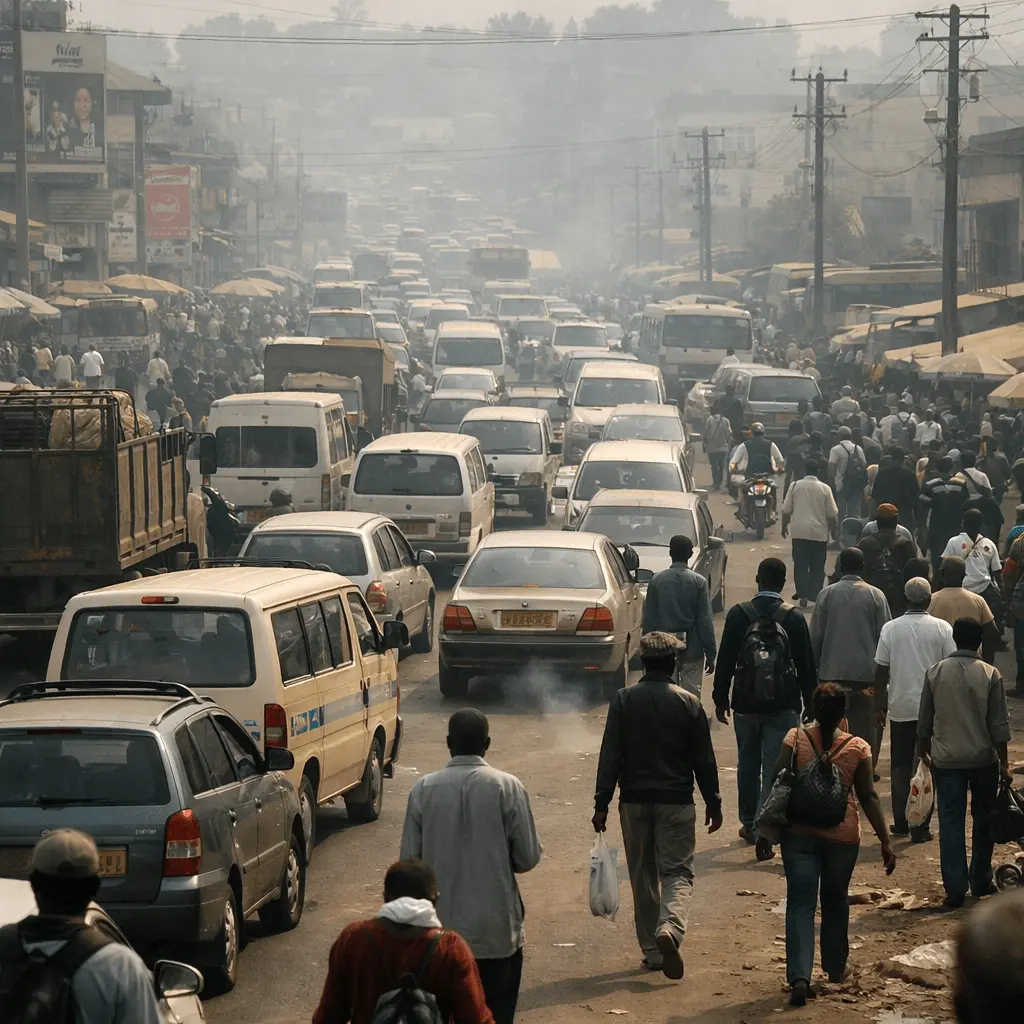
Healthcare Costs
Annual healthcare costs from air pollution in Africa, straining already limited health systems.
Lost Productivity
Annual productivity losses from illness, premature death, and reduced cognitive function.
Development Impact
2-8%
Reduction in GDP growth due to air pollution’s health and productivity impacts.
Air pollution and climate change are interconnected crises requiring urgent action
Many air pollutants are also greenhouse gases. Black carbon from cooking fires and diesel engines accelerates global warming.
Climate change increases dust storms, wildfires, and temperature inversions that trap pollution and worsen air quality.
Africa contributes least to global emissions but suffers disproportionately from air pollution and climate impacts.
Solutions must address both local air quality and global climate goals through clean energy and sustainable development.