
Children do not breathe the same way adults do. Their lungs are still developing, their immune systems are still growing, and they often spend long hours in schools, playgrounds, homes, and communities where air quality may not be monitored or understood. This makes children one of the most vulnerable groups when it comes to air pollution. Poor air quality can affect a child’s breathing, learning, concentration, immunity, and long-term development. BREATHE-CHILD exists to protect children by making the air around them visible, understandable, and safer.
Children Protected
Schools Monitored
Parent Engagement Rate
Cities Covered
Many schools and learning spaces are located close to busy roads, generators, waste burning areas, construction sites, industrial zones, or other pollution sources. Yet, most of these environments have no real-time air quality monitoring and no clear system for alerting school leaders, parents, or caregivers when children may be at risk.
“Safer learning environments are not only about classrooms, books, and teachers. They are also about the air children breathes every day.”
Children may cough repeatedly, struggle with allergies, experience breathing difficulties, or miss school due to illness, while the environmental cause remains unnoticed. BREATHE-CHILD helps close this gap by connecting air quality monitoring with child health protection. We believe that safer learning environments are not only about classrooms, books, and teachers. They are also about the air children breathe every day.
Common Pollution Sources
Most Vulnerable Groups
01
Monitor air quality around schools and child-centered spaces
Breatha deploys air quality sensors around schools, playgrounds, daycare centers, and other environments where children spend time. This helps identify pollution patterns, high-risk periods, and exposure hotspots. The goal is to help schools and communities understand when the air may be unsafe and what steps can be taken to reduce exposure.
Key Questions We Answer
02
Support schools with practical environmental health guidance
BREATHE-CHILD provides simple, child-focused guidance for teachers, school leaders, caregivers, and parents. This may include information on reducing outdoor exposure during poor air quality periods, improving indoor air practices, managing generator fumes, and protecting children with asthma or respiratory sensitivity. The guidance is designed to be practical, easy to understand, and realistic for local school environments.
03
Promote awareness among parents and caregivers
Many parents know when a child is sick, but they may not know that the surrounding air could be part of the problem. Through community education, school outreach, and awareness materials, BREATHE-CHILD helps families understand how air pollution affects children and what they can do to reduce risk. This gives caregivers better information for everyday decisions about health, school, play, and protection.
04
Generate evidence for child-centered environmental protection
Breatha uses data from school environments and surrounding communities to support advocacy, reports, and policy engagement. This evidence can help institutions, governments, and regulators understand the need for cleaner, safer environments for children. It can also support conversations around school siting, traffic pollution, waste burning, industrial emissions, and public health planning.
This program is especially important for children living or learning near roads, industrial areas, waste sites, or other high-pollution environments.

“When the sensor shows red, we move PE class indoors. The children understand why now — they are becoming environmental champions themselves. I never thought I would be teaching air quality alongside mathematics.”
Grace Wanjiku
Primary School Teacher, Nairobi Primary School Teacher, Nairobi

I get alerts on my phone before school starts. Knowing my daughter is safe gives me peace of mind every single day. Before this program, I had no idea the air near her school was a problem.”
Emmanuel Asante
Parent, Kumasi

“I have seen children with recurring respiratory infections whose schools sit directly beside a generator yard. BREATHE-CHILD gave us the data to make that connection visible and act on it.”
Dr. Nneka Obi
Pediatrician, Lagos
Support BREATHE-CHILD
Your partnership helps us expand this program to more communities and protect more lives across Africa.
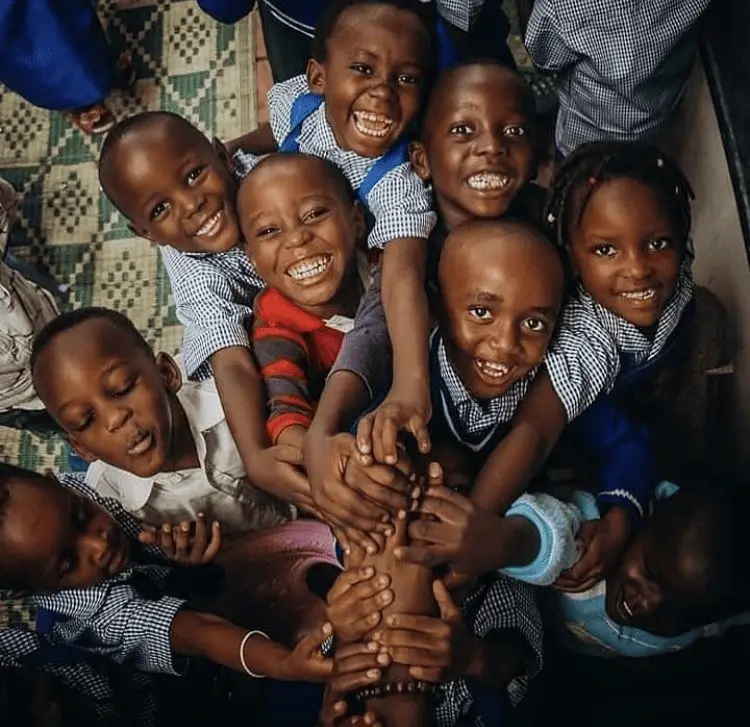
Every donation, no matter how big or small, make a significant difference
to our cause. Thank your for doing your part to help.