
Pregnancy is one of the most sensitive stages of human life. During this period, the health of the mother and the development of the baby are influenced not only by medical care, nutrition, and lifestyle, but also by the environment. Air pollution can silently affect pregnancy outcomes. It has been linked to increased risks of premature birth, low birth weight, birth defects, pregnancy complications, and long term developmental challenges for children. Yet, many women are never told that the air around them may also be a maternal health issue. BREATHE-MATERNAL exists to bring environmental awareness into maternal and reproductive health. Through this program, Breatha monitors air quality around homes, maternity centers, hospitals, and communities where pregnant women live and receive care. We provide exposure guidance, support healthcare partnerships, and generate evidence that helps protect mothers and babies from pollution related risks.
Mothers Reached
Antenatal Clinics Monitored
Reduction in Preterm Births
Home Assessments Completed
Maternal health conversations often focus on clinical care, nutrition, infections, and access to healthcare. These are essential, but environmental exposure is also important. Many pregnant women live near traffic-heavy roads, industrial sites, gas flaring areas, open waste burning, generator fumes, or soot-affected communities.
They may breathe polluted air every day without knowing the possible impact on their pregnancy or reproductive health. For women in low-income and high-risk communities, this burden is even heavier. They may have limited access to healthcare, limited environmental information, and fewer options to reduce exposure. BREATHE-MATERNAL helps close this gap by connecting air quality data with maternal health protection.
Common Pollution Sources
Most Vulnerable Groups
01
Monitors Air Quality Around Maternal Health Environments
Breatha deploys air quality sensors around maternity centers, hospitals, clinics, homes, and surrounding communities. This helps identify pollution patterns and exposure risks in places where pregnant women live, work, and receive care. The data helps us understand when and where pregnant women may be most exposed to poor air quality.
02
Provides Practical Exposure Guidance for Expectant Mothers
BREATHE-MATERNAL translates air quality information into simple, usable guidance for pregnant women, families, and caregivers. This may include advice on reducing exposure during high-pollution periods, improving indoor air habits, avoiding smoke and fumes, and recognizing when environmental conditions may worsen breathing or general well-being. The goal is not to create fear, but to help women make informed daily choices.
03
Supports Healthcare Providers with Environmental Health Insights
Breatha works with healthcare providers and maternal health institutions to strengthen awareness of air pollution as a pregnancy and reproductive health issue. This may include environmental health education, community exposure summaries, research partnerships, and data insights that help health workers better understand the conditions affecting the women they serve.
04
Generates Research and Evidence for Maternal Health Advocacy
BREATHE-MATERNAL collects and analyzes environmental and community health data to support reports, policy briefs, and advocacy. This evidence can help improve maternal health programs, guide public health interventions, and encourage stronger environmental protection for women and newborns. It also helps bring African and local realities into wider conversations on climate, air pollution, and maternal health.

“The health worker came to my home and showed me that my cooking fire was making the air inside very bad. They gave me a better stove. My second baby was born healthier than my first.”
Halima Ibrahim
Mother of two, Kano, Nigeria

“Now I can tell my patients exactly what the air quality is like in their neighborhood. It helps me give them real, specific advice about how to protect themselves and their babies.”
Midwife Seynabou Ndiaye
Antenatal Clinic, Dakar, Senegal
Support BREATHE-MATERNAL
Your partnership helps us expand this program to more communities and protect more lives across Africa.
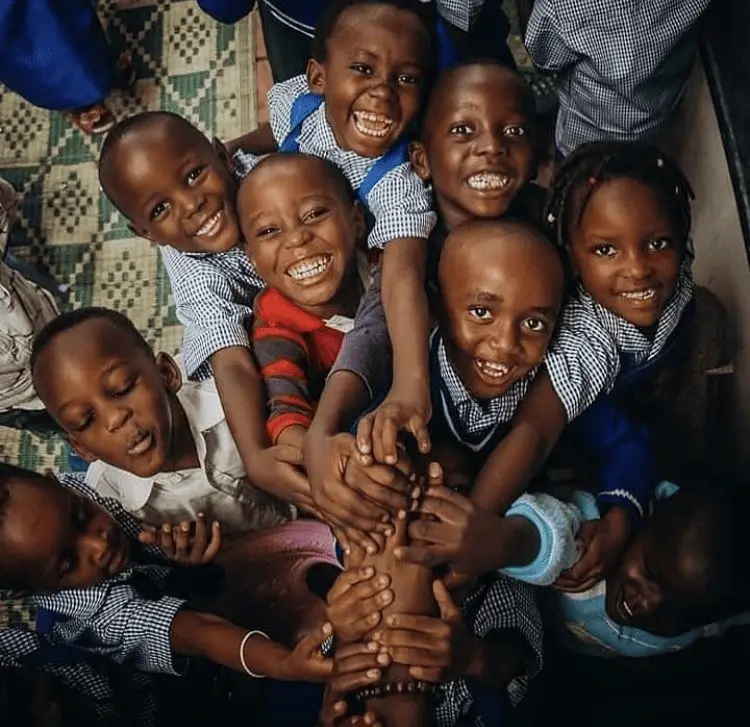
Every donation, no matter how big or small, make a significant difference
to our cause. Thank your for doing your part to help.